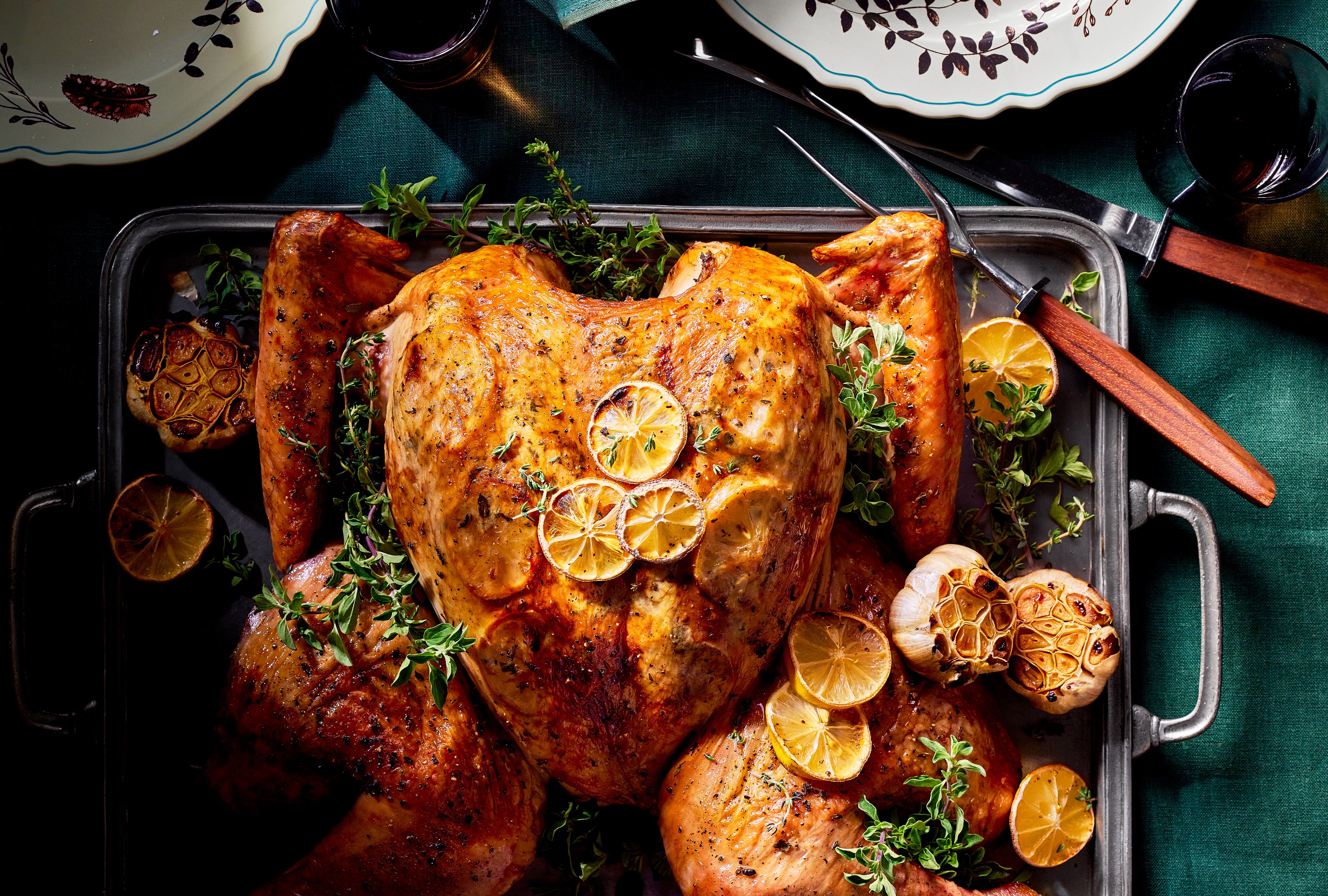
Why Spatchcock Turkey is Your Best Bet for a Juicier Holiday Feast
The centerpiece of any holiday meal, especially Thanksgiving, is undoubtedly the turkey. For many, it's a source of both immense joy and considerable anxiety. The quest for that perfectly roasted bird – one with beautifully crisp skin and succulent, uniformly cooked meat – often feels like an elusive culinary holy grail. Traditional roasting methods frequently lead to a common dilemma: dry, overcooked breast meat by the time the thighs and legs are tender, or vice versa. But what if there was a simple, game-changing technique that not only guaranteed a juicier, more flavorful roast but also cut your cooking time dramatically? Enter the
spatchcock turkey.
This ingenious method, also known as butterflying, transforms the traditional whole turkey into a flat, evenly cooking canvas. By removing the backbone and pressing the bird flat, you unlock a host of benefits that make it the ultimate choice for both seasoned hosts and first-time holiday chefs. Prepare to say goodbye to dry white meat, endless basting, and lengthy waits, and hello to a truly memorable holiday meal.
Understanding the Spatchcock Method: What Exactly Is It?
At its heart, spatchcocking is a culinary preparation technique that involves removing the backbone from a whole poultry bird, allowing it to be flattened out. When applied to a turkey, this means the entire bird lies flat on a roasting pan, skin-side up. This seemingly simple alteration has profound implications for the cooking process.
Instead of a bulky, unevenly shaped bird where different parts are exposed to varying heat levels, a
spatchcock turkey presents a uniform thickness. This promotes even heat distribution, ensuring that every part of the turkey cooks more consistently. Think of it as opening up a book to lay it flat versus trying to cook a tightly closed one; the heat penetrates much more efficiently and uniformly. While the name "spatchcock" might sound complex, possibly deriving from "dispatch cock" referring to quick preparation in 18th-century Europe, the actual process is remarkably straightforward, requiring only a sturdy pair of kitchen shears and a little bit of muscle.
The Game-Changing Benefits of Spatchcocking Your Turkey
The popularity of the
spatchcock turkey method isn't just a trend; it's rooted in undeniable practical and culinary advantages that address nearly every common turkey roasting challenge.
Unparalleled Juiciness and Flavor, Every Time
One of the most significant triumphs of spatchcocking is its ability to deliver an incredibly juicy turkey, consistently. When a whole turkey is roasted, the breast, being leaner, tends to cook faster than the denser, fattier thighs and legs. This often results in a choice between a perfectly cooked dark meat and a dry, chalky white meat, or undercooked dark meat if you pull it out early. With a butterflied turkey, the breasts and thighs are flattened to a similar plane, allowing them to cook at a much more synchronized rate. This uniform exposure to heat means that by the time the thighs reach their optimal tender temperature, the breast meat is also perfectly cooked – moist, succulent, and full of natural flavor, with no dry spots in sight. This truly is the key to achieving that elusive balance of perfectly cooked white and dark meat.
Crispier Skin, Guaranteed
For many, crispy, golden-brown skin is just as important as juicy meat. Traditional roasting often leaves some parts of the skin soft and unappetizing. The spatchcock method, however, ensures maximum skin exposure to the direct heat of the oven or smoker. With the entire bird lying flat, the skin forms a much larger, uninterrupted surface area that browns beautifully and uniformly. For an even crispier result, remember to pat your
spatchcock turkey thoroughly dry and refrigerate it uncovered on a wire rack overnight before roasting. This crucial step dehydrates the skin, setting the stage for an unparalleled crispness that crackles with every bite. To dive deeper into perfecting this aspect, check out our guide on
Achieve Crispy Skin & Juicy Meat with Easy Spatchcock Turkey.
Significantly Reduced Cooking Time
Time is a precious commodity during the holidays. A traditional whole turkey can take three hours or more to roast, depending on its size. A
spatchcock turkey, by contrast, can cut that time almost in half! A 12-15 pound bird typically roasts in about 1 1/2 to 2 hours. This dramatic reduction in cooking time means less stress, less oven occupation, and more time for you to enjoy your guests and create lasting holiday memories. Imagine the relief of having your star dish ready much sooner, freeing up oven space for those crucial side dishes. For more details on this time-saving hack, read
Spatchcock Turkey: Halve Your Roasting Time for Perfect Results.
Effortless Roasting and Basting
Because of the even cooking and increased surface area, a spatchcocked turkey requires far less fussing. Gone are the days of constant basting every 30 minutes. The bird's flat profile allows for better airflow and consistent browning, often negating the need for frequent basting altogether. This simplifies the entire process, letting you focus on other meal preparations or simply relaxing before the feast.
Bonus: Homemade, Flavorful Gravy
Don't let that removed backbone go to waste! It's a fantastic foundation for a small batch of rich, homemade turkey stock. This stock, in turn, will elevate your holiday gravy to new heights, adding a depth of flavor that store-bought options simply can't match. It’s a delicious, zero-waste bonus from this ingenious method.
How to Spatchcock Your Turkey: A Simple Step-by-Step Guide
Preparing a
spatchcock turkey is surprisingly straightforward. Here's how to do it:
1.
Gather Your Tools: You'll primarily need a sturdy cutting board and a good pair of sharp kitchen shears. A chef's knife can also be used if you're comfortable and your knife is very sharp, but shears are generally easier and safer for beginners.
2.
Prepare the Bird: Remove the turkey from its packaging and pat it thoroughly dry with paper towels. Remove the neck and giblets from the cavity. Place the turkey breast-side down on your cutting board.
3.
Remove the Backbone: Using your kitchen shears, carefully cut along one side of the backbone, from the tail end up to the neck. You'll need to cut through bone and cartilage. Repeat this process on the other side of the backbone. Once both cuts are made, remove the entire backbone (and save it for stock!).
4.
Flatten the Turkey: Flip the turkey over so it's breast-side up. Using the heel of your hand or a clean, sturdy object (like a cast-iron skillet), press down firmly on the breastbone until you hear a crack. This flattens the turkey completely, allowing it to lie perfectly flat.
5.
Pre-Season and Prepare: Pat the flattened
spatchcock turkey dry again. Season it generously all over with salt, reaching under the skin to season the meat directly. For the crispiest skin, place the seasoned bird on a wire rack set over a baking sheet and refrigerate it uncovered for at least 8 hours, or ideally overnight. This allows the skin to dry out, ensuring an incredibly crispy finish.
Cooking Your Spatchcock Turkey to Perfection
Once your turkey is prepped and seasoned, the cooking process is just as forgiving.
*
Temperature is Key: Always rely on a meat thermometer to ensure perfect doneness. Aim for 165°F in the thickest part of the breast and 175-185°F in the thickest part of the thigh, avoiding the bone. Because the bird cooks so evenly, you'll find these temperatures are often reached simultaneously.
*
Roasting Temperature: A common and highly effective method is high-heat roasting at around 450°F initially to get that skin cracking, then potentially reducing the temperature slightly to finish cooking. This high-heat approach contributes significantly to the reduced cooking time.
*
Flavor Profile: While salt and pepper are essential, consider a savory, sweet, and smoky rub to infuse your turkey with those quintessential holiday flavors. Apply your chosen rub (without additional salt if you pre-salted) just before roasting.
*
Resting is Crucial: Just like any roasted meat, allowing your
spatchcock turkey to rest for at least 15-20 minutes after it comes out of the oven is vital. This allows the juices to redistribute throughout the meat, resulting in an even more tender and flavorful bird.
Embrace the Spatchcock Revolution
The
spatchcock turkey method, popularized by culinary figures like Mark Bittman, has revolutionized holiday cooking. It transforms the often-daunting task of roasting a whole turkey into an achievable, enjoyable experience for cooks of all skill levels. Its simplicity, combined with the superior results it yields – incredibly juicy meat, shatteringly crispy skin, and drastically reduced cooking time – makes it an undeniable winner.
So, this holiday season, ditch the traditional struggles and embrace the spatchcock revolution. You'll not only impress your guests with a truly magnificent roast but also reclaim precious time to savor the joy and warmth of the occasion. It's truly your best bet for a juicier, more stress-free, and utterly delicious holiday feast.